
Work Smarter Not Harder | 12 Tips for Effective Time Management in the Workplace

Time is precious, especially when it comes to our work. This is the reason why most of our colleagues try to be hyper-productive. People who subscribe to the idea of “staying busy” and working hard while rushing from task to task, always checking email, organizing something, making a phone call, etc.
While this belief may be true to a point, it often leads to mindless “productivity”. A constant need to do something and a tendency to waste time on tedious tasks.
To avoid this kind of situation, we at Logicbase Interactive try to apply TIME MANAGEMENT in the workplace while simplifying our work, doing things faster and relieving stress. It’s about clearing away space in our lives to make time for people, play and rest. Through time management, we have proven that there are really enough hours in a day for everything we’d like to do, but it may take a bit of rearranging and re-imagining to find them.
Are you having difficulties managing your time at work? Here are few quick suggestions from us for boosting your productivity and improving time management in the workplace:
- Know your goals & Complete MOST Important Tasks First – This is the golden rule of Time Management. Make sure you’re engaging in activities that support your working goals, both short- and long-term. Everything else is a time-waster. Your daily plan should revolve around working on tasks and activities that directly relate to your goals. Each day, identify the tasks that are most crucial to complete, and do those first. Take a look at these categories below and identify which falls to each category:
- Important and urgent – Tasks that must be done. Do them right away.
- Important but not urgent – Tasks that appear important, but upon closer examination aren’t. Decide when to do them.
- Urgent but not important – Tasks that make the most “noise”, but when accomplished, have little or no lasting value. Delegate these if possible.
- Not urgent and not Important – Low-priority stuff that offer the illusion of “being busy”. Why are you doing these anyway? Do them later.
Do the Important and urgent tasks first. As you complete each one, check it off your list. This will provide you with a sense of accomplishment and motivate you to tackle less essential items for the rest of the day. Do less things that create more value, rather than more things that are mostly empty.
- Learn to say “No” – You are the one working for it, if you have to decline a request in order to attend what’s really important and urgent, do not hesitate to do so. Your objective should be to take on only those commitments that you know you have time for and that your truly care about.
- Take Care of Yourself – Numerous studies have linked a healthy lifestyle with work productivity. Similar to getting enough sleep, exercising and eating healthy. Remember, an alert mind is a high-functioning mind, one that’s less tolerant of time-wasting activities. Listen to your body, and don’t underestimate the value of taking care of yourself.
- Eliminate All Kinds of Distractions – Practice not answering the phone just because it’s ringing and reading emails just because they show up. Try to disconnect instant messaging. Don’t instantly give people your attention unless it’s very important and urgent that needs immediate response. Close out all other browser windows. Put your phone away, turn it on silent mode and schedule a time to answer email and return phone calls. Find a quiet place to work, or listen to some music if that helps you. Concentrate and focus to the task at hand. Nothing else should bother you. Immerse yourself in it.
- Get an Early Start & Plan Ahead – Most of us are afflicted by the impulse of procrastination. However, it’s so much nicer and less stressful to get an earlier start on something. If you just decide to firmly do it, it isn’t that difficult I tell you. It is also advisable to plan everything ahead than losing your time jumping from one thing to the next with no clear idea about what needs to be done. Depending on your preference, try one of these options:
- The day before – Take 15 minutes before you go out to the office to clear your desk and put together a list of the next day’s most pressing task. It’s a great technique, you’ll feel better sitting down at a clean desk in the next day.
- First thing in the morning – Arrive a few minutes early and assemble your prioritized to-do list (see #1). This may prove to be the most productive part of your day.
- Define a Time Limit in Which to Complete a Task – Instead of just sitting down to work on a certain project while doing it until it is done, try to set a time limit for you to finish it early. The time constraint will push you to focus and be more efficient, even if you end up having to go back and add a bit more time limit later.
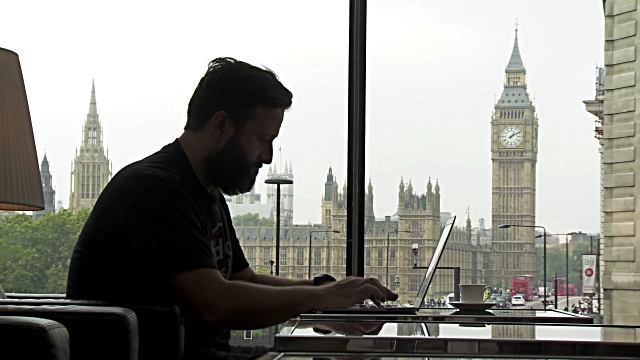
- Leave a Buffer-Time Between Tasks – Don’t always rush every task. Sometimes, you also need to pause every time you finish a task and appreciate what you were doing and to stay focused and motivated. Allow yourself to have a down-time between tasks to breathe fresh air for your brains. Go for a short walk, meditate or perform some mind-clearing exercise.
- Don’t Think that you have Lots of Things to do – One of the mistakes employee make to overwhelm himself is thinking about how massive his to-do list is. Remember that no amount of thoughts will make it any shorter. Instead focus on the task before you, believe that you can finish everything little by little, one step at a time.
- Clear the Clutter – Some people have a hard time staying focused because of the piles and stocks in their table that distracts them from the task at hand. Clear the clutter off your desk and other visible surface near you. Remove unnecessary items and only have out what you are currently working on. That way, your attention won’t be drawn away so easily. You may also create a filing system for documents. Make sure all items have a place to be stored in your area. Create organizing systems.
- Lock Yourself In – If you find it hard to get your work done because of drop-in visitors, don’t be shy to isolate yourselves from them. If you have your own room, shut your door and discourage interruptions. This is particularly useful technique when you really need to focus for just an hour or two.
- Group Related Tasks Together – Hopping back and forth from one activity to another is a so much waste of time. If you file a piece of paper then make a client call then send an email to customers then file another piece of paper, your brain has to switch gears at each step. Different tasks demand different types of thinking, so it makes sense to allow your mind to continue to flow with its current zone rather than switching unnecessarily to something else. Instead try to complete all of one-type of to-do before you move to the next task. Make all your client calls, do all your filing, and then your email to customers. You’ll find that you are moving faster and getting more done in a shorter amount of time when you’re working!
- Enjoy Your Work – Enjoyment should always be the goal. When you enjoy what you do, work becomes play. Even when we focus on working smarter, we’re still often too focused on getting things done. This shouldn’t be the point. Find a way to get to enjoy what you’re doing. Be curious. Be open to opportunity. Know yourself more. Embrace your passions!